Denver Car Repair for reliable vehicle maintenance
Get back on the Road With Trust - Reliable Auto Servicing
Essential auto repair ensures vehicle safety and performance. A credible shop offers comprehensive work, from regular inspections to critical maintenance. Determining when your vehicle requires service can prove tricky. Many drivers find it difficult to locate trustworthy mechanics. Ongoing upkeep contributes significantly to maximizing your car's longevity. Yet, the challenges regarding expenses and communicating with technicians can leave one doubtful. Which strategies can vehicle owners follow to maintain their vehicles in driving condition?
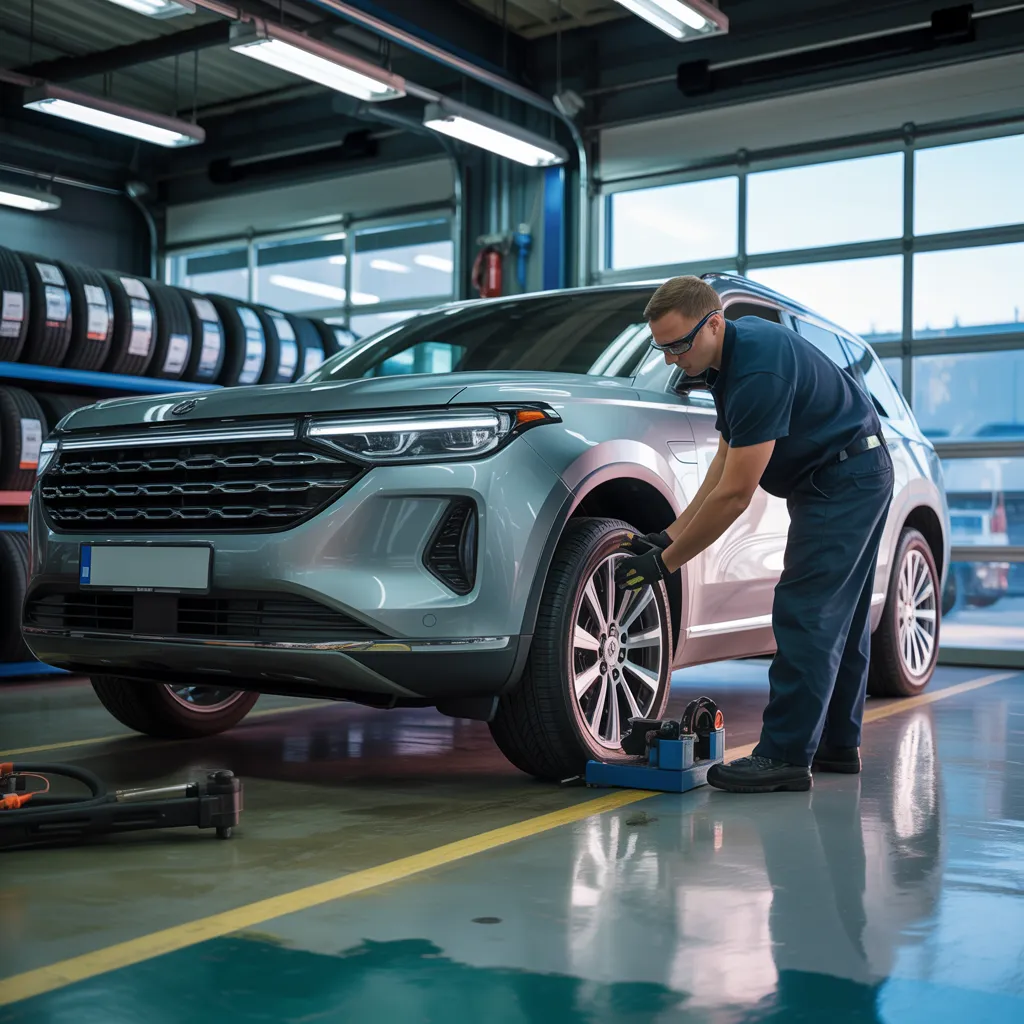
Recognizing When Your Vehicle Needs Maintenance
How can one discover when a vehicle requires attention? There are various key indicators that show a repair necessity. Abnormal noises, such as grinding or squeaking, often indicate brake or engine troubles. Warning lights on the dashboard, especially the check engine light, should not be ignored, as they highlight potential problems that require immediate investigation. Moreover, a drop in performance, such as sluggish acceleration or difficulty starting, can also suggest underlying mechanical issues.
Visual signs, such as leaking fluids or irregular tire degradation, are additional signals that maintenance is necessary. If the vehicle pulls to one side while driving, this could indicate alignment issues or tire complications. Consistently tracking these factors can help guarantee timely repairs, preventing greater deterioration and expenses in the future. In summary, being observant and proactive is essential for preserving your car's condition.
How to Find a Trustworthy Auto Repair Shop
Finding a dependable auto repair shop can be tricky for vehicle owners. To start, individuals should ask for recommendations from friends, relatives, or colleagues. Real-world experiences often yield helpful information into a shop's quality of service. Digital reviews and ratings on platforms like Yelp or Google can assist in measuring customer satisfaction.
Next, checking for licenses and partnerships with recognized industry organizations, such as the Automotive Service Excellence (ASE), can reveal a shop's adherence to industry excellence. It is wise to tour candidate businesses for an preliminary discussion, permitting proprietors to assess cleanliness, organization, and customer service.
Additionally, obtaining quotations before any work starts can stop disputes about costs. Finally, a trustworthy shop should be honest about its services and prepared to clarify repairs. By following these steps, vehicle owners can boost their chances of finding a credible auto repair shop.
The Key Advantages of Regular Automobile Upkeep
While many vehicle proprietors may overlook regular maintenance, regular car upkeep is indispensable for securing a car's lifespan and peak performance. Avoiding upkeep can result in a series of problems, from minor inconveniences to significant breakdowns. Routine assessments, such as lubricant replacements, wheel adjustments, and brake inspections, can prevent costly repairs and strengthen safety on the road.
Additionally, consistent maintenance helps maintain a vehicle's fuel economy, reducing overall operating costs. It also protects the market value; a well-maintained car is often more attractive to potential buyers.
Engaging in scheduled upkeep creates a sense of accountability among owners, motivating them to remain informed about their vehicle's requirements. By emphasizing maintenance, vehicle owners not only protect their purchase but also contribute in general traffic safety. Ultimately, regular vehicle upkeep is a forward-thinking approach that benefits both the owner and the wider community.
Comprehending Fix Pricing
Understanding maintenance expenses can often be confusing for vehicle owners. Various elements affect these expenses, including labor rates, parts pricing, and the complexity of the repair work. Labor expenses differ significantly by region and shop, often reflecting the technician's experience and the shop's overhead. In addition, the type of parts used—whether original equipment manufacturer (OEM) or third-party—can greatly affect the final bill.
Vehicle years and type also play a role; vintage or rare vehicles may require specialized parts that are more expensive and more difficult to find. Moreover, unforeseen problems can occur during repairs, resulting in additional costs that were not foreseen at first. By acquiring general awareness of such considerations, vehicle owners can address repair assessments with more certainty and make informed decisions regarding their vehicle requirements.
How to Precisely Communicate Car Issues to Your Mechanic
Effectively communicating car issues to a technician can greatly enhance the assessment and repair process. When explaining problems, car drivers should be detailed about symptoms, such as strange sounds, vibrations, or warning lights. Providing information on when the issue happens—whether during speeding up, braking, or running at rest—can also assist the technician pinpoint the problem.
It is advantageous to note any current alterations in driving behavior or maintenance history. Employing simple, direct communication prevents ambiguity, allowing the technician to comprehend the situation more effectively. Vehicle owners should avoid using specialized terminology unless they are certain in its definition.
Furthermore, submitting paperwork, such as service records or previous repair invoices, can supply context. A clear description not only supports swift diagnosis but also strengthens a collaborative relationship between the car owner and the mechanic, ultimately resulting in effective repairs.
Developing a Long-Lasting Association With Your Auto Repair Shop
Establishing a long-term relationship with an auto repair shop depends on confidence and transparency. Consistent high-quality service reinforces this bond, while open communication channels ensure that clients are heard and appreciated. Combined, these elements establish a relationship that benefits both the client and the technician.
Build Confidence Via Transparency
When customers feel well-informed about the work their vehicles required, pertinent information faith naturally forms between them and their auto repair shop. Transparency in communication is vital; it enables clients to understand the reasoning behind recommended repairs and maintenance. Auto repair shops that provide clear details, transparent estimates, and open conversations build a sense of trust among their clientele. This openness not only simplifies the repair process but also empowers clients to make educated decisions. Moreover, sharing information about the shop’s qualifications, warranties, and service history builds credibility. By emphasizing transparency, auto repair shops can foster lasting relationships, encouraging repeat business and loyalty. Ultimately, trust through transparency sets the stage for a more fulfilling and dependable auto repair experience.
Uniform Quality Service
Consistent quality service is the cornerstone of a enduring bond between customers and their repair establishment. When customers receive dependable and swift repairs, they are more likely to return for future maintenance. This consistency promotes trust, allowing customers to feel confident in the expertise of the technicians. Over time, as customers witness the same high standards being upheld, a sense of loyalty develops. Quality inspections done consistently and respect to industry standards guarantee that vehicles are not only repaired but also preserved to prevent emerging problems. Such commitment to excellence creates an climate where customers feel valued, knowing their vehicles are in skilled hands. Ultimately, this resolve to consistent quality service strengthens the connection between auto repair shops and their clientele.
Open Communication Channels
Effective exchange functions as an essential link between customers and their auto repair shops, enhancing trust and understanding. Transparent pathways for communication generate a collaborative context where customers feel valued and informed. When repair shops present clear accounts pertaining to work performed, fees, and timelines, clientele can make better selections about their automobiles. Regular updates during repairs can alleviate concern and build assurance in the shop's expertise. Conversely, customers who articulate their reservations and preferences contribute to a more tailored encounter. This two-way dialogue not only solidifies ties but also encourages loyalty. By focusing on transparent exchange, auto repair shops can establish a image for reliability, ensuring that customers return for future needs, assured in the service they will get.
Popular Questions Posed Often
What Steps Ought I Follow if My Car Breaks Down Suddenly?
When a car breaks down suddenly, the driver should securely move to the roadside, activate hazard lights, assess the situation, and call for roadside assistance or a tow service if needed. Staying calm is vital.
How Can I Figure Out if a Mechanic Is Reputable?
To evaluate a mechanic's trustworthiness, one should examine feedback, seek recommendations, assess credentials, and observe transparency in rates. A dependable technician will express information plainly and provide detailed explanations of necessary repairs and services.
Do auto repair guarantees available?
Numerous auto repair shops offer coverage on their services and parts, typically ranging from 90 days to several years. Customers should ask about specific details and requirements to ensure adequate coverage for their repairs.
What Tools Should I Maintain in My Car for Urgent Situations?
A properly equipped vehicle should include a spare tire, jack, jumper cables, flashlight, first aid kit, basic tools, and tire pressure gauge. These essential items help ensure safety and resolve minor issues during unexpected emergencies on the road.
How Can I Prepare My Car for Seasonal Transitions?
To make set a car for weather transitions, one should examine fluid levels, examine tires for wear and inflation, test the battery, change wipers, and make sure lights operate as intended for maximum safety and performance.